What to Check First, Mines Game
A practical guide to what to check first for mines game: the steps, the limits and the common mistakes.
What is What to Check First?
"What to check first" in Mines Game is a five-point pre-round verification routine completed before clicking any cell on the 5×5 grid. Each round, you select between 1 and 24 hidden mines; revealing one ends the round and forfeits your stake, while each revealed gem pushes the multiplier higher. Because a single misclick on a 10-mine grid can erase a ₹500 bet you thought was riding on 3 mines, a fixed inspection sequence is not optional, it is the foundation of consistent play.
The five items to confirm are: mine count, bet size, live multiplier table, session bankroll position, and the provably fair seed pair. Skipping the mine count means you may be playing at a 10-mine risk curve while expecting a 3-mine payout rate. Ignoring the seed hash means you cannot verify a suspicious round after the fact. Each check takes under ten seconds, yet together they eliminate the costliest category of Mines Game errors, avoidable ones caused by inattention rather than bad luck.
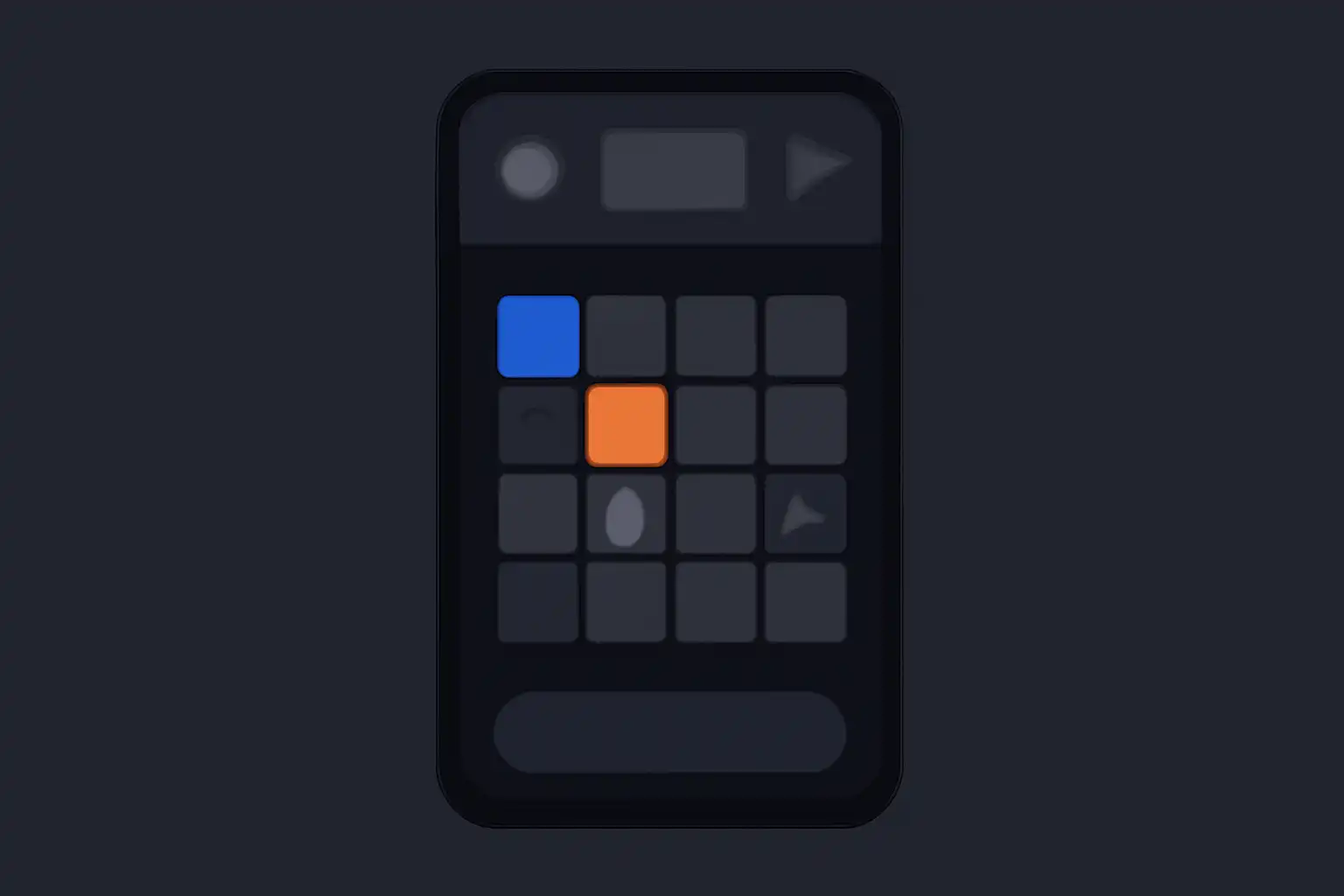
How What to Check First Works
Run through this checklist in order before touching the grid. Step 1, Mine count: Confirm the mines selector shows the number you deliberately chose for this round, not a value carried over from a previous session. A 5-mine grid at ₹200 carries a very different risk curve than a 3-mine grid at the same stake. Step 2, Bet amount: Read the stake field in rupees and verify it fits your session unit size, typically 1 to 3% of your session bankroll. If you deposited ₹2,000 via PhonePe or GPay, a healthy single unit is ₹20 to ₹60, not ₹200.
Step 3, Multiplier table: Open the payout schedule and note the multipliers at 3, 5, and 8 revealed gems, the three most common cashout points. Step 4, Bankroll position: Subtract losses already taken this session from your starting deposit. If you are down 40% of your session budget, treat that as a review signal, not a reason to increase stakes. Step 5, Seed verification: Copy the server seed hash and your client seed shown before the round begins. After the round, paste both into the platform's verify tool to confirm the result was predetermined fairly before your first click.
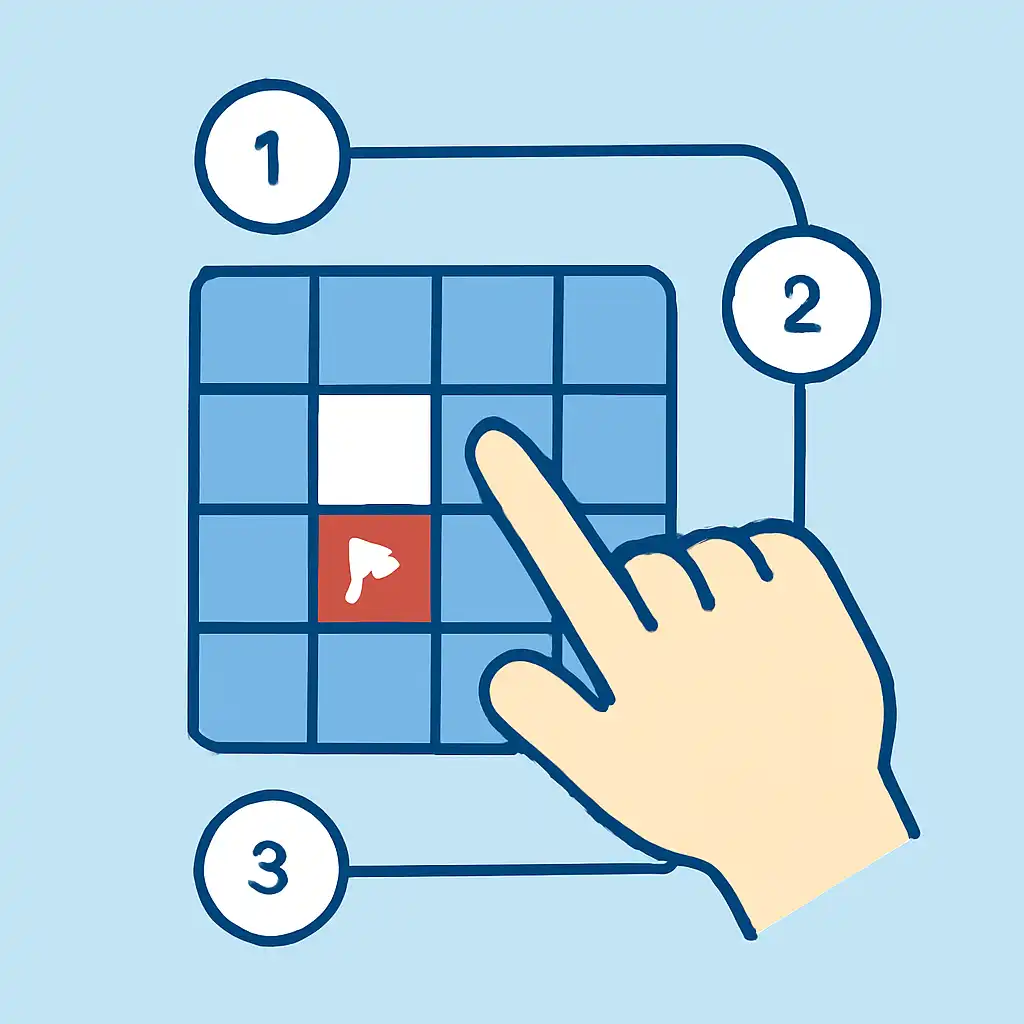
What to Check First, Tips and FAQs
Tip 1, Screenshot your seed before every round. Most Indian players using BHIM or GPay deposits fund sessions quickly and jump straight into gameplay. Taking a two-second screenshot of the seed pair costs nothing and makes post-round provability effortless. Tip 2, Lock your unit size at deposit time. Decide your per-round bet when you top up, not mid-session when emotions run high. Write it in a notes app if needed.
FAQ: Does mine count reset between rounds? On most platforms it persists at whatever value you last set, so always re-read it, especially after switching between 1-mine practice rounds and higher-mine sessions. FAQ: How long does the full checklist take? Under 30 seconds once it becomes habit. Compared to a single lost ₹300 bet from a preventable error, that 30-second investment pays for itself immediately. FAQ: Is the checklist different for auto-cashout mode? Yes, add one extra step: confirm your auto-cashout multiplier is set correctly, since a stale value from a previous session can trigger an early exit at a lower-than-intended multiplier.